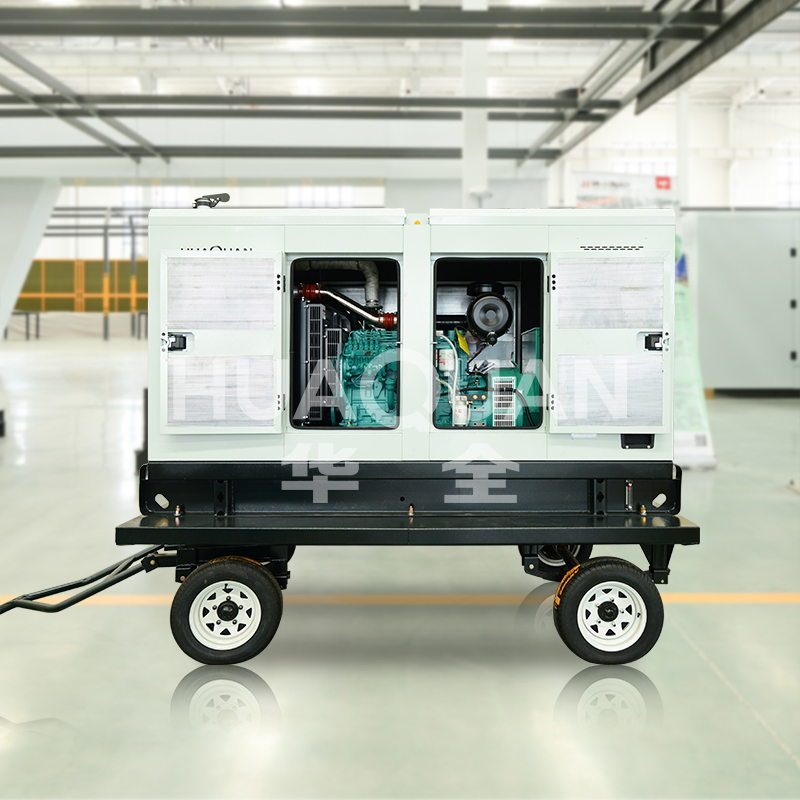
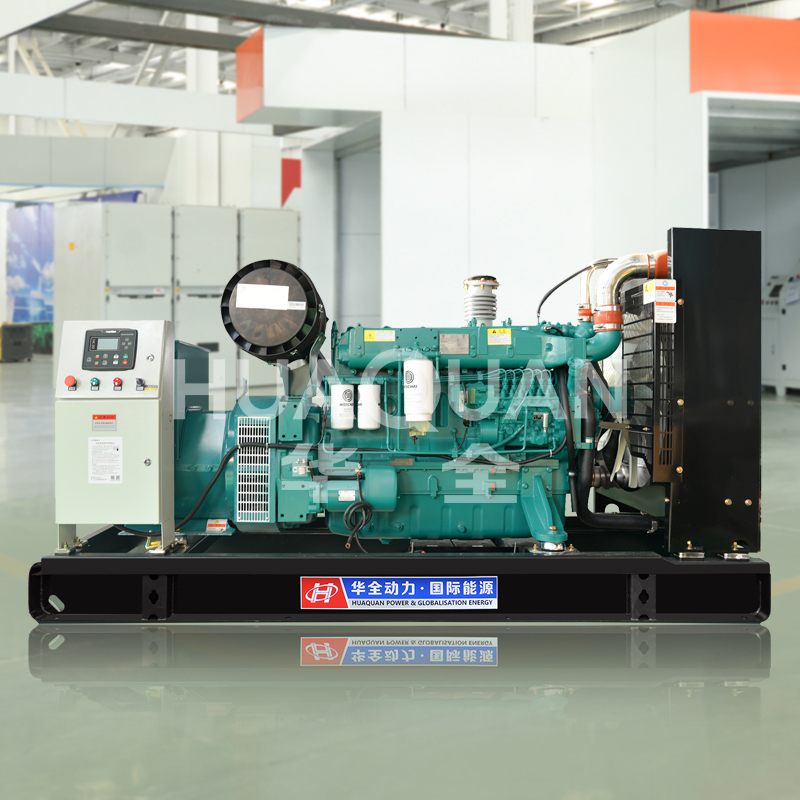
Proper ventilation and heat dissipation are critical to ensuring the efficiency, longevity, and safe operation of diesel generator sets. Poor thermal management can lead to overheating, reduced performance, and even equipment failure. Below are key guidelines to optimize airflow and cooling.
1. Adequate Airflow Design
Ensure the generator room or enclosure allows sufficient airflow. Install intake and exhaust vents strategically to create a cross-ventilation effect. Avoid obstructions near vents, and maintain clearance around the generator to prevent heat buildup.
2. Diesel Generator Set Ambient Temperature Control
Diesel generators generate significant heat during operation. Position the unit away from direct sunlight or high-temperature environments. If necessary, use auxiliary cooling systems like fans or ducts to regulate ambient temperatures.
3. Regular Maintenance of Cooling Systems
Inspect and clean radiators, filters, and cooling fins periodically. Dust and debris can block airflow, reducing cooling efficiency. Replace worn-out components promptly to avoid unexpected breakdowns.
4. Proper Exhaust Management
Exhaust gases must be vented outdoors efficiently. Use heat-resistant materials for exhaust pipes and ensure they are leak-proof. Avoid sharp bends in piping, as these can restrict airflow and increase backpressure.
5. Noise and Ventilation Balance
While soundproofing is important for noise control, ensure it doesn’t compromise ventilation. Opt for acoustic enclosures with built-in airflow channels or louvers to maintain cooling without excessive noise.
Effective ventilation and heat dissipation are vital for diesel generator performance. By prioritizing airflow design, temperature control, and routine maintenance, operators can enhance reliability and extend the equipment’s service life. Always consult manufacturer guidelines for specific requirements.
More information about Huaquan Power:https://sinogens.com/