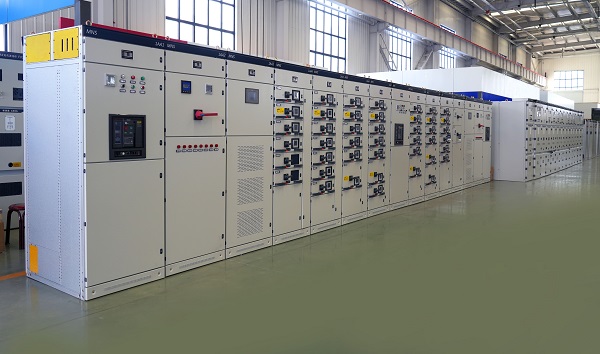
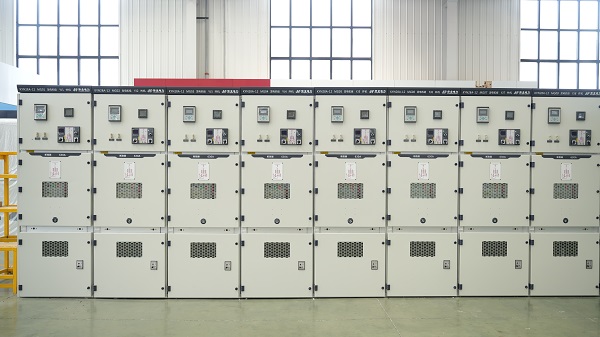
Proper maintenance of power distribution cabinets is crucial for ensuring electrical system reliability and workplace safety. These critical components require regular attention to maintain optimal performance and prevent potential hazards.
Regular Inspection Routines for Power Distribution Cabinets
Systematic visual checks should be performed on power distribution cabinets to identify potential issues:
Examine for signs of overheating or discoloration
Check for loose connections or corrosion
Verify proper labeling of all circuits
Inspect door seals and locking mechanisms
Cleaning Procedures for Power Distribution Cabinets
Proper cleaning maintains power distribution cabinet efficiency:
Remove dust and debris using non-conductive tools
Clean ventilation openings to prevent overheating
Wipe down surfaces with appropriate cleaning agents
Avoid moisture accumulation inside the enclosure
Component Testing
Critical testing for power distribution cabinets includes:
Thermal scans to detect hot spots
Torque checks on electrical connections
Function tests of circuit breakers
Verification of ground fault protection
Environmental Considerations for Power Distribution Cabinets
Power distribution cabinets require proper environmental controls:
Maintain adequate clearance around the cabinet
Ensure proper ventilation and airflow
Monitor humidity levels
Protect from water exposure
Documentation and Record Keeping
Maintaining proper records for power distribution cabinets:
Keep updated single-line diagrams
Document all maintenance activities
Record test results and measurements
Maintain equipment manuals on site
Safety Precautions for Power Distribution Cabinets
Essential safety measures when working with power distribution cabinets:
Always follow lockout/tagout procedures
Use appropriate personal protective equipment
Never work on live equipment without proper training
Ensure proper warning labels are visible
Following these maintenance practices helps ensure power distribution cabinets operate safely and efficiently throughout their service life.